-
 play_arrow
Seductively Silky Radio The Best In Slow Jams 24/7
When the Saxophone Enters the Room
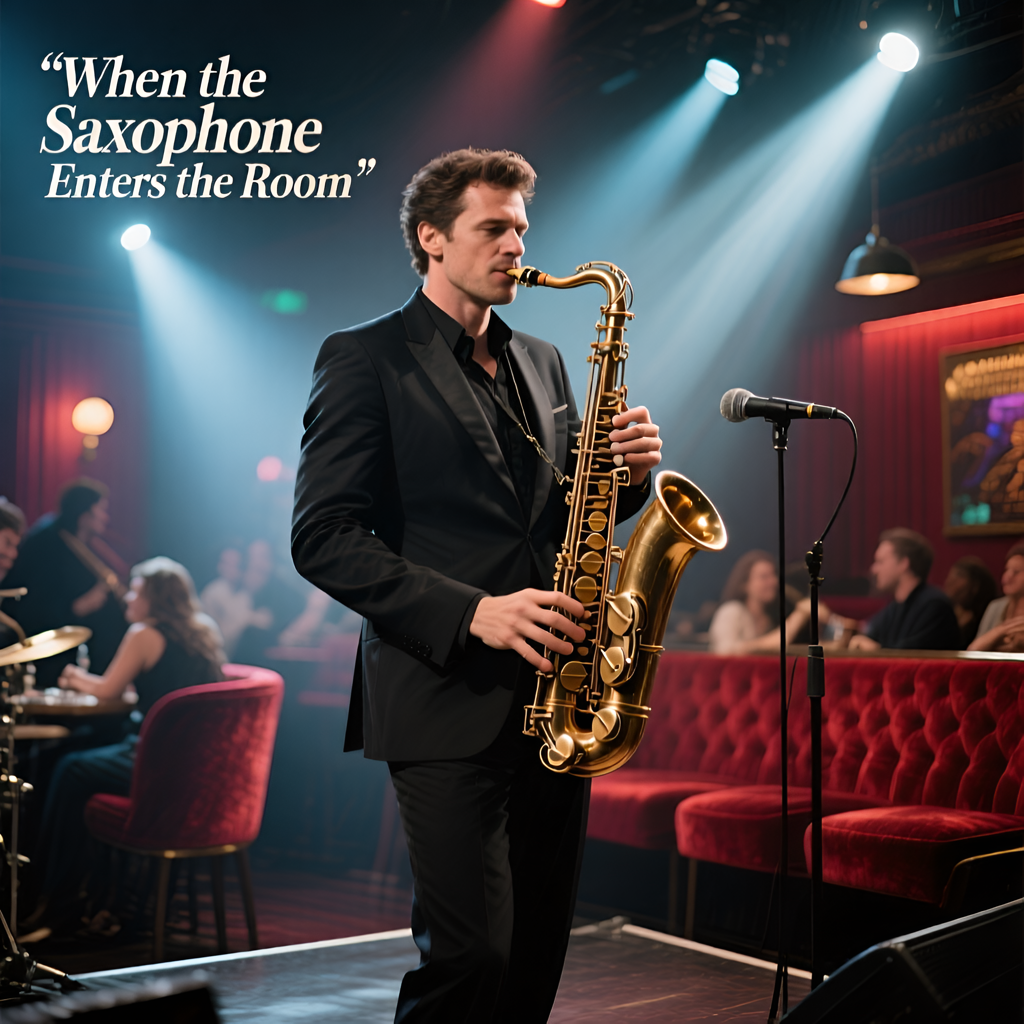
When the saxophone enters the room, you can feel the shift in energy. Its rich tones wrap around you, stirring emotions you didn’t know were there. It’s not just an instrument; it’s a storyteller, capable of weaving narratives that resonate deeply. You might wonder how this unique sound carved its place in music history. As you explore its journey, you’ll uncover fascinating connections that go beyond mere notes.
The Origins of the Saxophone: Birth of an Icon
Though you might think of the saxophone as a staple of jazz and modern music, its origins trace back to 1846 when Belgian instrument maker Adolphe Sax patented it.
Sax aimed to create an instrument that combined the best qualities of brass and woodwinds. He envisioned a versatile instrument that could produce a rich, expressive sound, perfect for orchestras and military bands.
With its unique design, featuring a single-reed mouthpiece and a conical body, the saxophone quickly gained attention. By the 1850s, it began appearing in various musical settings, from classical compositions to theatrical performances.
Sax’s innovation marked the beginning of an enduring legacy, paving the way for the saxophone’s evolution and its eventual rise in popularity across diverse genres.
How the Saxophone Shaped Jazz and Blues
As the vibrant sounds of jazz and blues began to emerge in the early 20th century, the saxophone played a pivotal role in shaping these genres. Its rich, expressive tones brought a new emotional depth, captivating audiences and musicians alike.
You can hear how its versatility allowed it to blend seamlessly with both the improvisational spirit of jazz and the soulful cries of blues. The saxophone’s ability to mimic the human voice made it an ideal instrument for conveying the raw emotion inherent in these styles.
As you listen, you’ll notice how it bridges melodies and harmonies, creating a unique sound that feels both familiar and fresh. In this way, the saxophone truly became a cornerstone of jazz and blues music.
Influential Jazz Saxophonists
The saxophone’s impact on jazz is largely defined by the legendary musicians who wielded it. You can’t discuss influential jazz saxophonists without mentioning Charlie Parker, whose innovative bebop style transformed the genre. His fast, intricate melodies inspire countless players today.
Then there’s John Coltrane, whose spiritual approach and complex harmonies pushed boundaries, inviting you to explore deeper musical landscapes.
Don’t overlook Lester Young, whose smooth, relaxed sound brought a new level of coolness to jazz. Each of these artists carved a unique path, shaping the saxophone’s role in jazz history.
As you listen to their recordings, you’ll hear not just notes but the very essence of jazz itself—emotion, freedom, and a relentless quest for artistic expression.
Saxophone in Rock and Pop
While many think of the saxophone as a jazz staple, its influence in rock and pop is undeniable. You might be surprised to find how often this powerful instrument shapes the sound of your favorite tracks.
From Bruce Springsteen’s anthemic “Jungleland” to Billy Joel’s catchy “Just the Way You Are,” the saxophone adds a unique texture that elevates the music. You can’t forget the iconic solos in songs like “Careless Whisper,” where the saxophone steals the show and becomes a defining moment.
Even modern artists like Katy Perry and Imagine Dragons incorporate it, bridging genres and captivating audiences. When you hear that unmistakable sound, it grabs your attention and makes the song unforgettable. The saxophone truly rocks!
Types of Saxophones: From Alto to Baritone
Saxophones come in various shapes and sizes, each bringing its own unique voice to the music world.
You’ll find the alto saxophone, known for its bright and expressive sound, perfect for both jazz and pop. If you’re drawn to a deeper timbre, the tenor saxophone might be your choice, often featured in rock and blues.
For a richer, fuller sound, the baritone saxophone delivers a powerful presence in ensembles. Each type has its distinct role, whether it’s the smooth melodies of the soprano or the robust tones of the bass saxophone.
Choosing the right saxophone depends on your musical style and preferences, so explore them to find your perfect match in the saxophone family.
Saxophone Techniques for Beginners
Mastering the basics of saxophone techniques can set you on a path to musical success. Start by focusing on your posture; stand or sit up straight to allow for optimal airflow.
Next, practice your embouchure—firm but relaxed lips around the mouthpiece are essential for producing a clear sound.
Breath control is crucial, so take deep breaths from your diaphragm. As you begin playing, work on your finger placement and coordination; ensure your fingers cover the tone holes completely.
Regularly practice scales to build muscle memory and improve your technique.
Finally, don’t forget to listen closely to your tone; adjusting your breath and embouchure can greatly enhance your sound.
With consistency and patience, you’ll see progress in no time!
Why the Saxophone’s Sound Continues to Captivate Audiences
Though many instruments can evoke emotion, the saxophone’s rich, warm tone uniquely resonates with listeners. Its ability to blend seamlessly across genres—from jazz to rock—draws you in, creating an intimate connection.
When you hear a saxophone solo, it feels personal; the sound wraps around you like a comforting embrace. The instrument’s expressive capabilities allow musicians to convey deep feelings, whether it’s a soulful ballad or an upbeat tune. You can’t help but sway to its rhythms.
Plus, the saxophone’s versatility means it can speak both softly and powerfully, making it captivating in any setting. It’s this dynamic range and emotional depth that continue to enchant audiences, leaving them wanting more every time the saxophone enters the room.
Conclusion
When the saxophone enters the room, it’s more than just an instrument; it’s an experience. Its ability to evoke deep emotions and connect with audiences sets it apart from others. Whether you’re swaying to a soulful melody or tapping your feet to an upbeat riff, the saxophone captures your heart and soul. As you explore its rich history and diverse styles, you’ll find that its magic continues to inspire and uplift, creating unforgettable moments.









Post comments (0)